Tel: +86-189-8864-6134
E-mail: sales@sweebondgasket.com
- All
- Product Name
- Product Keyword
- Product Model
- Product Summary
- Product Description
- Multi Field Search
 English
Views: 0 Author: Site Editor Publish Time: 2026-03-30 Origin: Site


In modern construction, organ plate curtain walls are often used for their aesthetic appeal and energy efficiency. To ensure these walls are durable, functional, and energy-efficient, elastic rubber gaskets are used to seal the joints between the panels. The installation of these gaskets is critical to the overall performance of the curtain wall system. In this article, we will explore the process of installing elastic rubber gaskets in organ plate curtain walls, their importance, common challenges, and tips for effective installation.
Organ plate curtain walls are a type of glass facade system commonly used in commercial buildings, residential towers, and modern architectural designs. They consist of large, modular panels made from materials such as glass, aluminum, or composite materials. These panels are connected to the building's structural framework and typically use rubber gaskets to seal the joints between the panels.
The elastic rubber gaskets not only ensure a tight seal, but they also provide insulation against sound, water, and air infiltration, contributing to the overall thermal efficiency and waterproofing of the building. The gaskets are placed in between the edges of the panels and serve as barriers against environmental elements, ensuring the integrity of the structure.
Elastic rubber gaskets are a crucial component in organ plate curtain walls because they serve multiple purposes that enhance the overall performance and longevity of the building.
Sealing: Rubber gaskets create an airtight and watertight seal between the panels, preventing air and water infiltration. This helps to keep the building insulated, reducing energy consumption by maintaining a stable indoor temperature.
Thermal Insulation: Rubber gaskets help maintain a barrier against heat transfer, improving the building’s thermal efficiency and reducing the need for excessive heating or cooling.
Sound Insulation: These gaskets also play a role in soundproofing, reducing noise pollution from the outside and contributing to a more comfortable indoor environment.
Protection Against Environmental Damage: Rubber gaskets prevent the ingress of dust, pollutants, and moisture, which can cause long-term damage to the panels and the building’s structure.
By ensuring a tight seal between the panels, these gaskets not only protect the curtain wall system but also contribute to the overall energy efficiency and comfort of the building.
Proper installation of elastic rubber gaskets is essential to ensure that they provide a durable, effective seal. The following are the general steps involved in the installation process.
Before the gaskets are installed, the surfaces of both the panel edges and the curtain wall frame need to be prepared properly. This ensures that the gaskets adhere securely and that no contaminants interfere with the sealing process.
Clean the surfaces: Remove any dirt, debris, or old adhesive from the panel edges and frame to ensure a smooth surface for the gasket.
Check for imperfections: Inspect the edges of the panels and the frame for any damage, such as cracks or dents, which could prevent a proper seal.
Preparation Step | Description |
Clean Surfaces | Ensure edges are free from dirt, dust, and contaminants. |
Inspect Panel Edges | Check for cracks, dents, or other imperfections. |
Measure Panel Gaps | Confirm the size of the gaps to ensure the gasket fits. |
Once the surfaces are prepared, the next step is to align and place the elastic rubber gasket correctly along the edges of the panels.
Measure the gasket length: Ensure that the gasket is cut to the correct length to fit the panel edges perfectly. Gaskets should be slightly longer than the required length to allow for any stretching or adjustments.
Position the gasket: Place the gasket in the gap between the panels and the frame. It should sit evenly along the entire edge to create a continuous seal.
After placing the gasket in position, it must be compressed to form a tight seal.
Apply even pressure: Use the proper compression tools or techniques to ensure the gasket is compressed evenly across the surface. Over-compressing can cause the gasket to lose its flexibility, while under-compressing can lead to leaks.
Secure the gasket: Once the gasket is properly compressed, secure it using appropriate fasteners or adhesives, depending on the type of curtain wall and gasket material.
Before the installation is considered complete, it’s important to perform final checks to ensure the gasket is properly installed.
Check for alignment: Make sure the gasket is aligned correctly and that there are no gaps in the seal.
Test the seal: Perform water and air infiltration tests to confirm the gasket is functioning properly and that the curtain wall is sealed against the elements.
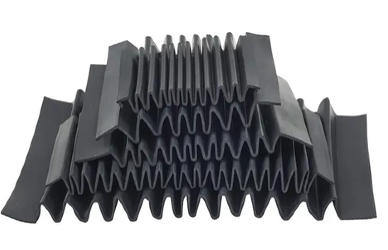
Proper tools and equipment are necessary for the successful installation of elastic rubber gaskets in organ plate curtain walls. Here are the essential tools required:
Tool | Purpose |
Measuring Tools | To measure the gasket length and panel gaps. |
Cutting Tools | To trim the gasket to the correct size. |
Gasket Compression Tools | To ensure the gasket is evenly compressed. |
Adhesive/Sealant | To secure the gasket in place and ensure a strong bond. |
Squeegee or Roller | For applying even pressure to compress the gasket. |
These tools help ensure that the installation is accurate and that the gasket performs effectively over time.
While installing elastic rubber gaskets, several challenges can arise. Being aware of these challenges and knowing how to avoid them can help prevent costly mistakes and ensure a successful installation.
Over- or under-compressing the gasket can lead to ineffective sealing or damage to the gasket material. Over-compressing can cause the gasket to lose its flexibility and integrity, while under-compressing can result in gaps that allow water or air to infiltrate. To avoid this, always ensure the gasket is compressed evenly and to the proper level, following the manufacturer’s recommendations for optimal compression. Use the appropriate compression tools and verify the seal by testing for gaps.
Misalignment can lead to gaps or an ineffective seal, compromising the performance of the curtain wall. If the gasket is not aligned properly, it may not form a continuous seal along the edges of the panels, allowing air, dust, and moisture to seep through. To avoid this, measure carefully, ensuring the gasket fits snugly and evenly across the panel’s edges. Double-check the alignment before securing the gasket in place, and ensure it’s placed evenly along the entire length to ensure a proper seal.
Contaminants such as dirt, oils, or old adhesive on the panel edges can interfere with the gasket’s ability to form a strong, reliable seal. These contaminants can prevent the gasket from adhering properly or cause it to degrade prematurely. To avoid this, thoroughly clean the installation surfaces before applying the gasket. Remove any debris, old adhesive, or oils, and ensure the surfaces are dry and smooth. This step ensures that the gasket adheres correctly and creates an optimal seal.
Proper compression is crucial for the gasket to form an effective seal. Follow the manufacturer’s guidelines for compression, ensuring you use the right tools to apply even pressure across the entire length of the gasket. Avoid over-compressing, as this can damage the gasket and reduce its sealing ability. On the other hand, under-compressing the gasket may leave gaps, compromising its performance. Using appropriate gasket compression tools can help achieve optimal sealing pressure.
It’s generally not recommended to reuse rubber gaskets. During the initial installation, gaskets may lose elasticity, become deformed, or harden due to compression and environmental exposure. Reusing old gaskets can compromise the seal integrity, leading to air and water leaks. It’s always best to replace gaskets when performing repairs to ensure that the curtain wall maintains its waterproofing and insulation properties.
The ideal temperature for installing rubber gaskets is between 10°C and 30°C (50°F to 86°F). Installing gaskets in temperatures outside this range can lead to issues with flexibility, as cold weather can make the material too stiff, and hot weather can make it too soft. A moderate temperature ensures that the rubber remains flexible enough for proper sealing without becoming brittle or deformed.
Several signs indicate that a rubber gasket may need to be replaced, including cracking, hardening, or loss of flexibility. Other common signs include visible gaps in the seal, which can lead to water infiltration, or if the gasket no longer fits snugly into the panel joint. Regular inspections can help identify these issues early, preventing further damage or energy loss. Timely replacement of worn-out gaskets ensures optimal performance and protection for the curtain wall system.
Proper installation of elastic rubber gaskets is essential for the performance and durability of organ plate curtain walls. Following the correct installation steps — from surface preparation to final checks — ensures a tight seal that protects the building from environmental elements, such as water and air infiltration. Using the right tools, materials, and installation techniques will lead to a reliable, long-lasting seal. The role of rubber gaskets in curtain wall systems cannot be overstated, as they help maintain thermal efficiency, structural integrity, and overall building comfort. Ensuring the correct installation and regular inspections of the gaskets will help preserve their functionality and extend the lifespan of the curtain wall system.


