Tel: +86-189-8864-6134
E-mail: sales@sweebondgasket.com
- All
- Product Name
- Product Keyword
- Product Model
- Product Summary
- Product Description
- Multi Field Search
 English
Views: 0 Author: Site Editor Publish Time: 2026-03-23 Origin: Site


Elastic rubber gaskets play a critical role in curtain wall installations by providing essential sealing, insulation, and protection to the overall structure. These gaskets act as barriers, preventing water, air, dust, and pollutants from infiltrating the gaps between the curtain wall panels and the building frame. This not only enhances the energy efficiency of the building but also ensures the structural integrity of the wall system. By maintaining proper sealing, elastic rubber gaskets help to protect the building from external weather conditions, reducing the risk of moisture damage, thermal bridging, and corrosion. Additionally, their flexibility allows them to accommodate thermal expansion and contraction, ensuring the long-term performance and durability of curtain walls. Ultimately, elastic rubber gaskets contribute to a building's overall durability, comfort, and sustainability.
Elastic rubber gaskets are flexible sealing components used in curtain wall systems to prevent water, air, and dust infiltration. They ensure a tight seal, maintain structural integrity, and provide insulation and soundproofing. These gaskets adapt to building movement and temperature fluctuations, offering long-term durability and performance, particularly in harsh weather conditions.
Elastic rubber gaskets are made from various materials, each suited to specific applications:
EPDM (Ethylene Propylene Diene Monomer)
EPDM is a synthetic rubber known for its UV resistance, ozone resistance, and flexibility, making it ideal for outdoor curtain walls. It performs well in extreme temperatures, ensuring a durable seal in changing climates.
Silicone
Silicone is highly resistant to high temperatures and flexible, making it suitable for areas with extreme weather. It offers excellent water resistance and long-term durability, especially in environments with significant temperature fluctuations.
Neoprene
Neoprene is known for its chemical resistance and resilience. While not as UV-resistant as EPDM or silicone, it is a reliable option for curtain walls requiring flexibility and wear resistance.
EPDM Gaskets: Common in outdoor applications due to their weather resistance and long-lasting performance.
Silicone Gaskets: Preferred in environments with high-temperature fluctuations due to their durability and excellent sealing properties.
Neoprene Gaskets: Used in commercial buildings in industrial areas, providing a good balance of chemical resistance and flexibility.
The lifespan of elastic rubber gaskets in curtain wall systems is influenced by several key factors, each contributing to the overall durability and performance of the gasket. Understanding these factors can help ensure that the gaskets maintain their effectiveness over time and provide long-lasting protection to the building.
The quality of the rubber material used in the gasket is one of the most significant factors affecting its lifespan. High-quality rubber materials like EPDM, silicone, and neoprene have superior resistance to environmental stresses such as UV exposure, temperature fluctuations, and chemical wear. EPDM, for example, offers excellent UV resistance and can endure extreme weather conditions without losing its flexibility or sealing properties. On the other hand, low-quality rubber may degrade quickly under exposure to the sun and other environmental factors, leading to cracking, brittleness, and loss of elasticity.
Material | Durability | Resistance Features |
EPDM | Long-lasting | UV, ozone, temperature changes |
Silicone | Very durable | High temperature, UV resistant |
Neoprene | Moderate | Chemical, wear resistance |
Choosing a high-quality material is essential for ensuring that the gasket performs effectively for years, particularly in outdoor applications like curtain walls exposed to various environmental elements.
Environmental exposure plays a crucial role in determining the lifespan of elastic rubber gaskets. Factors like UV radiation, weather conditions, and pollutants can all contribute to gasket degradation. UV radiation from the sun can break down the rubber’s molecular structure, causing it to become brittle and lose flexibility. Similarly, exposure to extreme temperatures — both high and low — can cause the rubber to expand and contract, leading to wear and tear over time. Pollutants such as acid rain, dust, and industrial emissions can also accelerate the breakdown of the material.
The level of exposure will vary depending on the geographic location and environment in which the curtain wall is installed. For instance, buildings in areas with high levels of air pollution or saltwater exposure (e.g., coastal regions) will experience a faster rate of gasket degradation compared to buildings in more temperate climates.
The quality of installation is another critical factor that influences the lifespan of elastic rubber gaskets. A properly installed gasket will provide a tight seal, ensuring that moisture, air, and dust do not enter between the panels. On the other hand, improper installation, such as incorrect placement or uneven compression, can result in gaps or leaks, which compromise the gasket's effectiveness and can lead to premature wear.
Installation should be performed according to the manufacturer’s specifications, ensuring the gasket is fitted properly and compressed evenly. Additionally, installers should ensure that the gasket is free from contaminants, dirt, or debris that could interfere with the sealing process.
Routine maintenance plays a significant role in extending the lifespan of elastic rubber gaskets. Regular inspections can help identify any signs of wear, such as cracking, hardening, or loss of elasticity, before they lead to seal failure. Cleaning the gaskets and surrounding areas to remove dirt, debris, and corrosive substances will prevent unnecessary wear. Additionally, periodic checks to ensure that the gaskets remain in good contact with the panels and that no gaps or leaks have formed are essential.
Elastic rubber gaskets in curtain walls typically last between 10 to 30 years, depending on factors such as material quality, environmental conditions, installation, and maintenance. High-quality materials like EPDM and silicone tend to last longer, while cheaper materials may degrade more quickly.
Environmental factors play a major role in determining how long elastic rubber gaskets last. Key influences include temperature fluctuations, UV exposure, and pollution, all of which can either shorten or extend the gasket's lifespan.
Temperature variations cause rubber gaskets to expand and contract, leading to:
Cracking: Heat can make rubber rigid, while cold can make it brittle.
Loss of elasticity: Frequent temperature changes reduce flexibility.
Impact: In regions with extreme temperature changes, gaskets last 10 to 15 years, while in milder climates, they can last 25 to 30 years.
Pollutants like ozone, acid rain, and industrial emissions can accelerate degradation by causing:
Chemical breakdown: Ozone and other chemicals break down rubber, causing brittleness.
UV damage: Pollutants interact with UV rays, speeding up deterioration.
Impact: Gaskets in polluted areas may only last 10 to 15 years, but in cleaner environments, they can last 20 to 30 years.
UV radiation from the sun leads to:
Brittleness: UV exposure causes rubber to crack and lose flexibility.
Impact: In areas with high UV exposure, gaskets last 10 to 15 years. In shaded areas or regions with less sunlight, they last 25 to 30 years.
Regular maintenance and inspections help extend gasket lifespan by catching early signs of wear like cracking or hardening. Keeping gaskets clean and addressing issues early maintains their sealing integrity.
Impact: Regularly maintained gaskets last 30 years, while neglected ones deteriorate faster.
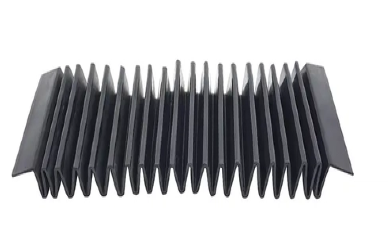
To maximize the lifespan of elastic rubber gaskets in curtain walls, several preventative measures should be taken. These include choosing UV-resistant materials, ensuring proper installation, conducting regular inspections, and selecting the right material based on climate and installation type.
UV radiation can degrade rubber, making it brittle and less flexible. Using UV-resistant rubber materials like EPDM and silicone helps prevent this degradation. These materials are designed to withstand UV damage, ensuring the gasket remains effective for longer. Additionally, incorporating UV inhibitors into the rubber can provide further protection in areas with intense sun exposure.
Correct installation is crucial to ensure that rubber gaskets perform well over time. Improper installation can lead to poor sealing, premature wear, and gasket failure. Key points for proper installation include:
Correct compression: Ensure the gasket is compressed just enough to form a tight seal without over-compressing.
Avoid contamination: Make sure the gasket is free from debris that could compromise its function.
Follow manufacturer guidelines: Adhere to installation instructions for optimal performance.
Proper installation prevents issues that could shorten the gasket’s lifespan.
Routine inspections and maintenance can greatly extend the lifespan of rubber gaskets. Checking for signs of wear, like cracking or loss of elasticity, and performing regular cleaning to remove dirt and debris, helps maintain the gasket’s effectiveness. Regular checks should include:
Inspecting for cracks or splits
Ensuring proper sealing
Cleaning the gaskets regularly
Early detection of wear helps avoid costly replacements and ensures the gasket remains functional.
Selecting the appropriate gasket material is essential for ensuring its longevity based on climate and installation type:
For extreme temperatures: Silicone is ideal for regions with high temperature fluctuations.
For high UV exposure: EPDM offers excellent UV resistance, making it suitable for sunny or coastal areas.
For chemical resistance: Neoprene is suitable for industrial environments with exposure to chemicals.
For moderate climates: PVC or TPE can be used for areas with milder climates.
Choosing the right material based on environmental conditions ensures that the gasket performs optimally and lasts longer.
Extreme weather conditions, exposure to UV radiation, and poor installation practices can significantly shorten the lifespan of rubber gaskets.
Materials like EPDM and silicone offer superior UV resistance and durability, making them ideal for long-lasting gasket performance.
Yes, routine inspections, cleaning, and addressing minor wear issues early can extend the lifespan of rubber gaskets.
Common issues include cracking, brittleness, loss of elasticity, and water leakage, especially in areas with extreme environmental conditions.
In conclusion, the lifespan of elastic rubber gaskets in curtain wall installations typically ranges from 10 to 30 years, depending on factors such as material quality, environmental exposure, installation, and maintenance. Proper installation, regular inspections, and routine maintenance are crucial for extending the life of the gaskets, ensuring they remain effective in sealing and protecting the curtain wall system. Choosing the right material, such as UV-resistant EPDM or high-temperature silicone, based on the climate and environmental conditions, is vital for long-term performance. By selecting the appropriate gasket material and maintaining it properly, building owners can ensure that their curtain walls continue to perform efficiently and last for many years.


