Tel: +86-189-8864-6134
E-mail: sales@sweebondgasket.com
- All
- Product Name
- Product Keyword
- Product Model
- Product Summary
- Product Description
- Multi Field Search
 English
Views: 0 Author: Site Editor Publish Time: 2026-03-17 Origin: Site


When it comes to solar panel installations, one of the most crucial aspects of ensuring long-term efficiency and protection is selecting the right materials for T shaped waterproof sealing strips. These strips are used to seal the gaps between solar panels, preventing water ingress, dust, and moisture from affecting the panel’s performance. Choosing the best material for these sealing strips is critical to ensure that the panels can endure various weather conditions and operate optimally throughout their lifespan. This article will discuss the best materials for T shaped waterproof sealing strips, focusing on their benefits, performance, and application in solar panel systems.
When selecting materials for T shaped waterproof sealing strips, several critical factors should be taken into account. These factors determine the overall effectiveness, durability, and long-term performance of the sealing strips, ensuring that the solar panel system operates efficiently for years. Below are the key factors to consider:
Water resistance is one of the most essential characteristics when choosing sealing materials for solar panels. Solar panels are exposed to various environmental conditions such as rain, snow, and humidity. Therefore, it is crucial that the sealing strips provide effective waterproofing to prevent water from entering the gaps between the panels.
Why is water resistance important?
Water ingress can cause significant damage to the internal components of solar panels, leading to corrosion, electrical shorts, and reduced efficiency. A sealing material that resists water penetration ensures that moisture does not affect the performance or safety of the panels.
Water-resistant materials like EPDM rubber and silicone are often used because they can form tight seals that prevent water from entering. These materials also maintain their waterproofing properties over time, ensuring consistent protection against the elements.
Solar panels are exposed to the sun's ultraviolet (UV) radiation throughout their life cycle. Over time, many materials can degrade when exposed to prolonged UV radiation, causing them to become brittle, cracked, or weakened. A sealing strip that offers UV protection ensures that it will not degrade under prolonged sun exposure, making it a critical consideration for sealing material selection.
Why is UV resistance important?
UV radiation can cause many sealing materials to lose their elasticity and strength, compromising the effectiveness of the seal. Materials like EPDM rubber and silicone have excellent UV resistance and can withstand sun exposure without breaking down. These materials are ideal for maintaining the longevity of both the solar panels and the sealing strips themselves.
Solar panels often face extreme temperature fluctuations, from scorching heat during the day to freezing temperatures at night. Therefore, it is vital that the sealing material used for the T shaped strips remains stable and flexible across a wide range of temperatures.
Why is temperature resistance crucial?
The sealing strips must be able to withstand high daytime temperatures and freezing cold without losing their integrity. Materials that lack temperature resistance may crack, warp, or become too rigid over time, leading to ineffective seals and potential water ingress. High-quality materials like silicone and EPDM provide excellent temperature resistance, ensuring that the strips perform well even in extreme climates.
The sealing strips should be durable enough to last for many years, providing reliable performance throughout the lifespan of the solar panel installation. However, durability alone is not enough — the material must also be flexible to adapt to the natural expansion and contraction of solar panels due to temperature changes.
Why is durability and flexibility important?
While durability ensures that the strips will remain effective over time, flexibility is necessary to account for the natural movements of the panels. Solar panels expand and contract as they heat up and cool down, and the sealing strips must maintain a tight seal during these fluctuations. EPDM rubber, silicone, and TPE are highly flexible materials that can withstand these temperature changes without losing their sealing effectiveness.
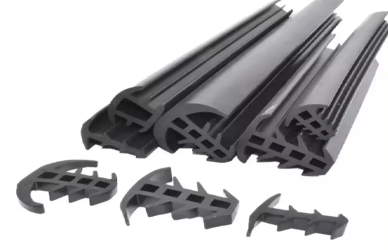
Several materials are commonly used for T shaped waterproof sealing strips. Each material has its own set of advantages, and the choice of material largely depends on environmental factors, the type of solar panel installation, and budget constraints. Let’s explore the four most popular materials used for T shaped sealing strips:
EPDM rubber is one of the most widely used materials for T shaped sealing strips, and for good reason. Known for its excellent weather resistance, UV protection, and flexibility, EPDM rubber is highly effective at creating a durable, long-lasting seal for solar panels.
UV Resistance: EPDM has outstanding resistance to UV radiation, ensuring that it won’t degrade or lose its effectiveness under constant exposure to sunlight.
Ozone and Weather Resistance: It provides strong protection against ozone and extreme weather conditions, including heat, cold, and humidity.
Elasticity: EPDM remains flexible even at low temperatures, allowing it to adapt to temperature fluctuations without losing its sealing properties.
Material | EPDM Rubber |
Temperature Range | -40°C to +120°C |
UV Resistance | Excellent |
Water Resistance | High |
Flexibility | Very flexible |
Durability | Long-lasting (15-30 years) |
EPDM is particularly suited for regions that experience a wide range of temperatures and exposure to the elements.
Silicone is another popular material for sealing strips, offering excellent high-temperature resistance and flexibility. It’s often used in applications where extreme temperatures are a concern, making it a great option for solar panel systems in both hot and cold climates.
Temperature Resistance: Silicone can withstand temperatures from -55°C to +250°C, making it ideal for environments with extreme heat or cold.
UV and Ozone Resistance: Silicone provides superior UV protection, preventing it from breaking down or becoming brittle under prolonged sun exposure.
Elasticity and Flexibility: Like EPDM, silicone remains flexible over time, even in extreme temperatures, which ensures that the seal remains intact for years.
Material | Silicone |
Temperature Range | -55°C to +250°C |
UV Resistance | Excellent |
Water Resistance | High |
Flexibility | Very flexible |
Durability | Long-lasting (20-30 years) |
Silicone is best suited for environments where high temperatures are common, such as desert regions, or for areas with extreme seasonal temperature shifts.
PVC is a cost-effective option for sealing strips, providing moderate water resistance and weather resistance. While it may not offer the same level of durability as EPDM or silicone, PVC is still a solid choice for installations where budget constraints are a primary concern.
UV Resistance: PVC offers some UV protection but is not as durable as EPDM or silicone under prolonged sunlight exposure.
Temperature Resistance: PVC performs well in moderate temperatures but may become brittle at extreme cold or hot temperatures.
Cost-Effective: PVC is a more affordable option compared to silicone and EPDM, making it a good choice for residential solar installations.
Material | PVC |
Temperature Range | -10°C to +60°C |
UV Resistance | Moderate |
Water Resistance | Moderate |
Flexibility | Fair |
Durability | Moderate (5-15 years) |
PVC is ideal for areas with milder climates and for homeowners looking for a more budget-friendly sealing solution.
TPE is a newer material that combines the flexibility and durability of rubber with the processing advantages of plastic. It is becoming increasingly popular for solar panel applications due to its environmental benefits and adaptability.
UV and Ozone Resistance: TPE offers good resistance to UV rays and ozone, though it may not perform as well as EPDM or silicone over time.
Temperature Resistance: TPE can endure a broad range of temperatures, from cold climates to heat, and maintains its sealing effectiveness.
Environmental Benefits: TPE is often more environmentally friendly than other materials, offering an eco-conscious solution for solar panel sealing.
Material | TPE |
Temperature Range | -40°C to +120°C |
UV Resistance | Good |
Water Resistance | High |
Flexibility | Very flexible |
Durability | Moderate (10-15 years) |
TPE is well-suited for environmentally conscious consumers and is effective in moderate to hot climates.
When selecting the right material for T shaped waterproof sealing strips for your solar panel installation, it’s essential to consider the local climate, budget, and the specific requirements of the system. Below is a comparison of the materials based on cost, performance, and suitability for different environments:
Material | Best For | Cost | UV Resistance | Temperature Resistance | Lifespan |
EPDM Rubber | Hot and cold climates, long-term durability | Medium | Excellent | Excellent | 15-30 years |
Silicone | Extreme heat/cold, high-performance needs | High | Excellent | Excellent | 20-30 years |
PVC | Budget-conscious projects, mild climates | Low | Moderate | Fair | 5-15 years |
TPE | Eco-friendly projects, moderate climates | Medium | Good | Good | 10-15 years |
The best material depends on your installation’s location, temperature range, and budget. EPDM and silicone are ideal for extreme weather conditions, while PVC is suitable for milder climates.
Yes, silicone sealing strips offer exceptional resistance to high temperatures and harsh conditions, making them ideal for areas with extreme heat or cold.
While PVC is cost-effective, it is best suited for residential or light commercial installations due to its moderate durability and UV resistance. For heavy-duty commercial use, consider EPDM or silicone.
TPE is an eco-friendly material that combines the benefits of rubber and plastic. It is more sustainable compared to traditional materials and offers good resistance to UV and ozone.
Selecting the right material for T shaped waterproof sealing strips is crucial to ensuring the long-term durability and efficiency of solar panels. Materials like EPDM and silicone provide excellent UV and temperature resistance, making them ideal for extreme climates. For more budget-conscious projects, PVC offers a viable option, while TPE provides an eco-friendly alternative. By considering factors such as climate, performance, and budget, you can choose the most appropriate material for your solar installation, ensuring that the panels continue to perform optimally for years to come.

