Tel: +86-189-8864-6134
E-mail: sales@sweebondgasket.com
- All
- Product Name
- Product Keyword
- Product Model
- Product Summary
- Product Description
- Multi Field Search
 English
Views: 0 Author: Site Editor Publish Time: 2026-01-27 Origin: Site


OEM rubber wedge gaskets play a crucial role in ensuring effective sealing and protection across a wide range of industries. These specialized gaskets are designed to create a tight seal in various applications, preventing the entry of water, air, dust, and other contaminants. Made from high-performance rubber materials such as EPDM, PVC, and silicone, they offer excellent durability, weather resistance, and temperature tolerance. Commonly used in industries like construction, automotive, industrial machinery, and transportation, OEM rubber wedge gaskets are vital for maintaining the integrity and efficiency of structures, equipment, and systems. Their versatility and reliability make them essential for both commercial and industrial applications, ensuring long-lasting performance in challenging environments.
OEM rubber wedge gaskets are made from various rubber materials, each selected for specific application needs. The most commonly used materials include EPDM, PVC, Silicone, and Polyurethane, each offering unique benefits in performance and durability.
EPDM is widely used for OEM rubber wedge gaskets due to its excellent resistance to weather, ozone, and UV exposure, making it ideal for outdoor applications like construction, automotive, and transportation. It also performs well under high temperatures and in wet conditions, maintaining flexibility and sealing effectiveness even in extreme weather or moisture.
PVC is known for its strong chemical resistance, making it ideal for applications where exposure to chemicals and oils is common. It also offers good abrasion resistance and is easy to process, making it suitable for water-sealing applications, such as windows, doors, and plumbing systems. However, PVC is less flexible than EPDM or Silicone, limiting its use in dynamic sealing environments.
Silicone rubber excels in temperature resistance, performing well in extreme temperatures from -60°C to +250°C. It is ideal for high-temperature applications, including food-grade environments, medical devices, and electronics. Silicone also offers excellent electrical insulation and flexibility, making it ideal for sealing sensitive equipment.
Polyurethane is a durable material known for its excellent wear resistance, tear strength, and resilience, making it ideal for heavy-duty machinery, automotive parts, and industrial equipment that endure constant movement and friction. It also provides good chemical and oil resistance, making it suitable for harsh environments where other materials may degrade quickly.
EPDM is a highly versatile and durable synthetic rubber known for its exceptional resistance to weathering, ozone, and UV rays. This material excels in environments where exposure to the elements is constant, making it ideal for outdoor applications. One of its key advantages is its high-temperature tolerance, which allows it to maintain flexibility and sealing performance even in extreme temperature conditions, ranging from -50°C to +150°C. Additionally, EPDM offers outstanding chemical resistance, particularly to water, steam, and many polar solvents, making it suitable for various demanding environments.
EPDM is widely used across several industries due to its robust performance and reliability. Some of the most common applications include:
Construction: EPDM is extensively used in roofing materials, window seals, and gaskets for buildings, thanks to its ability to withstand harsh weather conditions and its durability in prolonged exposure to UV rays and ozone.
Transportation: In the automotive and transportation sectors, EPDM is utilized in sealing applications such as window and door gaskets, automotive seals, and weatherstripping. Its resistance to the elements ensures long-lasting performance in vehicles, even in demanding climates.
Industrial Equipment: EPDM is often found in seals, gaskets, and O-rings used in industrial machinery and equipment, especially in environments where exposure to high temperatures, water, and steam is common.
PVC (Polyvinyl Chloride) is a widely used synthetic plastic polymer that offers several valuable properties for sealing applications. One of its most notable features is aging resistance, which allows it to maintain its strength and functionality over time, even under prolonged exposure to weather or other environmental conditions. Additionally, PVC exhibits excellent chemical corrosion resistance, making it ideal for applications where exposure to various chemicals, oils, or acids is a concern. Its good processability ensures that it can be easily molded or extruded into various shapes, making it a highly versatile material for gasket production.
Due to its advantageous properties, PVC is commonly used in the following applications:
Water Sealing: PVC is particularly effective in applications where water resistance is crucial. It is commonly used in water sealing for plumbing systems, as well as in pools, spas, and irrigation systems, where it prevents leaks and ensures a tight seal.
Window and Door Seals: PVC is widely used in window and door gaskets due to its excellent resistance to weathering, moisture, and UV exposure. Its ability to remain flexible and durable in changing environmental conditions makes it an ideal material for sealing windows and doors, helping to improve energy efficiency and reduce heat loss.
PVC's combination of aging resistance, chemical corrosion resistance, and easy processing makes it a reliable material for a variety of sealing applications, particularly where chemical exposure and moisture are prevalent.
Silicone rubber is a highly specialized material known for its extreme temperature resistance, capable of withstanding temperatures ranging from -60°C to +250°C without losing its flexibility or sealing performance. This makes it an ideal choice for applications exposed to both extreme cold and heat. In addition to its temperature resilience, silicone offers excellent electrical insulation properties, making it valuable for sealing and insulating electrical components. Silicone rubber is also highly flexible, durable, and non-reactive, which further enhances its performance in demanding environments.
Silicone rubber is widely used in industries where high performance and safety standards are critical. Common applications include:
High-Temperature Environments: Silicone rubber is perfect for sealing applications in environments with fluctuating or extreme temperatures, such as in automotive engines, electrical equipment, and aerospace industries. Its ability to retain its properties at both high and low temperatures ensures reliable performance in heat-intensive operations.
Food-Grade Applications: Due to its non-toxic and biocompatible nature, silicone rubber is commonly used in food-grade applications such as gaskets for food processing equipment, baking mats, and baby products. It is FDA-approved for use in food contact surfaces, making it safe for use in the food industry.
Silicone rubber’s extreme temperature resistance and excellent electrical insulation make it the go-to material for applications in high-temperature, high-performance, and health-sensitive environments.
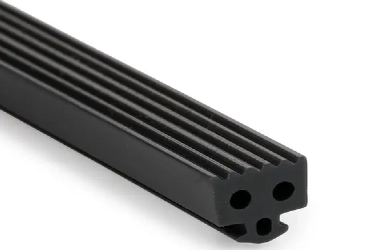
Polyurethane is a highly durable and versatile material known for its excellent wear resistance, making it ideal for applications that experience constant friction and abrasion. It also boasts high strength, allowing it to withstand heavy loads and stress, as well as tear resistance, which ensures long-lasting performance even under harsh conditions. These properties make polyurethane an ideal material for demanding industrial applications where toughness and longevity are crucial.
Polyurethane's durability and resilience make it widely used in various industries, particularly in applications where high mechanical performance is required. Key applications include:
Automotive Industry: Polyurethane is commonly used in the automotive industry for gaskets, seals, bushings, and suspension components. Its wear resistance and tear strength help protect critical automotive parts from damage and wear, ensuring a longer service life and improved vehicle performance.
Machinery Seals: In industrial settings, polyurethane is often used for machinery seals that need to endure constant movement, pressure, and exposure to harsh conditions. Its abrasion resistance and tear resistance ensure that it performs reliably in sealing components of heavy machinery and equipment.
Polyurethane’s excellent wear resistance, high strength, and tear resistance make it a preferred choice for applications in the automotive and machinery industries, where durability and performance under stress are essential.
Selecting the right material for OEM rubber wedge gaskets ensures optimal performance and longevity. Key factors to consider include temperature resistance, chemical exposure, durability, and flexibility. Here’s a simplified guide for choosing the best material based on these criteria:
High-Temperature Applications: Silicone rubber (from -60°C to +250°C) and Polyurethane perform well in extreme heat.
Low-Temperature Applications: EPDM and Silicone remain flexible and effective in freezing conditions.
For Chemical Exposure: PVC and Polyurethane are ideal for harsh chemicals and oils. EPDM handles water and steam exposure well.
For Water Exposure: EPDM and PVC resist water absorption and degradation.
Heavy-Duty Applications: Polyurethane offers excellent wear resistance and tear strength, making it perfect for high-friction environments.
Outdoor Exposure: EPDM is durable and resists UV, ozone, and weathering, making it ideal for construction and automotive seals.
For Flexibility: Silicone and EPDM retain flexibility and sealing properties under compression, ideal for doors, windows, and dynamic sealing applications.
Food-Grade: Silicone rubber is non-toxic and FDA-approved, suitable for food processing and baby products.
Electrical Insulation: Silicone offers excellent electrical insulation properties, ideal for electronic components.
Cost-Effective: PVC and EPDM offer reliable performance at a lower cost, making them ideal for general applications.
The best material depends on the application. EPDM is ideal for weather resistance, while silicone is better for high-temperature environments.
Yes, some rubber materials can be made from recycled components, which meet environmental standards while maintaining performance.
Extreme temperatures (both high and low) can cause material aging or hardening, which reduces sealing efficiency. Selecting temperature-resistant materials helps mitigate this.
The lifespan depends on the material, application, and maintenance. Typically, EPDM gaskets last 5-10 years under proper conditions.
Choosing the right material for OEM rubber wedge gaskets is crucial to ensuring optimal sealing performance and extending the lifespan of the gasket. The material selected must be tailored to the specific environmental conditions, application requirements, and performance expectations. Whether it's the weather resistance of EPDM, the chemical resilience of PVC, the temperature tolerance of Silicone, or the durability of Polyurethane, each material offers unique benefits. By understanding the material properties and selecting the most suitable one, companies can enhance the reliability and longevity of their sealing systems, reduce maintenance costs, and ensure consistent, high-quality performance in various industrial and commercial applications. Selecting the right material ultimately leads to improved efficiency, safety, and cost-effectiveness over the life of the product.


